
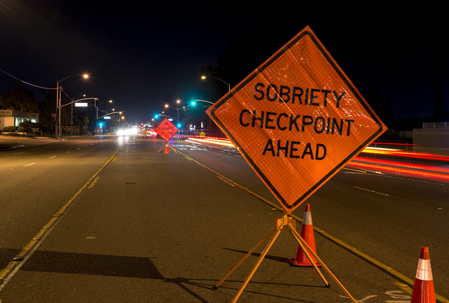
Colorado has recently seen increased law enforcement activity on the roads. While Colorado’s DUI statutes have not undergone sweeping changes recently, how those laws are enforced continues to evolve. For drivers, that means more stops, more testing, and more cases moving through the courts.
Understanding Colorado’s expressed consent law and current enforcement strategies can help you better protect your rights if you are stopped or arrested.
Colorado’s Expressed Consent Law & What It Means for Drivers
Colorado’s expressed consent law requires drivers to submit to chemical testing when an officer has probable cause to believe they are impaired. This applies whether the impairment is from alcohol, marijuana, prescription medication, or other drugs.
In practical terms, this means drivers should understand that refusing a test can trigger serious consequences before any criminal case is resolved.
Before diving into enforcement trends, it helps to understand the core implications of expressed consent, including the following points:
- Implied Consent to Chemical Testing. When you drive in Colorado, you are legally deemed to have agreed to a blood or breath test if lawfully arrested for suspected DUI.
- Automatic DMV Consequences for Refusal. Refusing a chemical test can lead to immediate license revocation and ignition interlock requirements through administrative proceedings.
- Separate Criminal & Administrative Processes. The DMV case and the criminal court case are independent, which means penalties can begin before a judge ever hears your case.
- Enhanced Penalties for Repeat Offenses. Prior refusals or DUI convictions can increase the length of license restrictions and other sanctions.
These rules give law enforcement powerful tools, and they make early legal guidance critical after an arrest.
Saturation Patrols & DUI Checkpoints Are Increasing
While statutes may remain stable, enforcement tactics are intensifying. Colorado agencies continue to expand saturation patrols and sobriety checkpoints, especially during high-risk periods such as weekends, holidays, and major local events.
These enforcement strategies are designed to deter impaired driving, but they also increase the likelihood of traffic stops for otherwise minor infractions.
Here are some key ways these strategies affect drivers:
- Saturation Patrols Increase Police Presence. Officers concentrate in specific areas to identify impaired drivers through traffic stops, field sobriety tests, and observations of driving behavior.
- Sobriety Checkpoints Create Systematic Screening. Drivers may be briefly stopped and assessed for impairment even without individualized suspicion, depending on how the checkpoint is conducted.
- Expanded Focus on Drugs & Polysubstance Use. Officers are trained to look beyond alcohol, including cannabis, prescription drugs, and combinations of substances.
- Higher Arrest Volumes During Enforcement Windows. Coordinated patrols often coincide with spikes in DUI arrests and prosecutions.
These methods mean more drivers encounter law enforcement and more DUI cases enter the system.
Coordinated Campaigns Like “The Heat Is On”
Colorado’s coordinated campaigns, including “The Heat Is On,” reflect a statewide commitment to aggressive DUI enforcement. These initiatives involve multiple agencies working together to increase patrols, public messaging, and arrests.
Campaign periods often include heightened media coverage and visible law enforcement activity, which can influence officer discretion and prosecutorial priorities.
Drivers should be aware of how these campaigns operate in practice, including the following realities:
- Multi-Agency Coordination Across Jurisdictions. State patrol, local police, and county sheriffs collaborate to maximize coverage and share resources.
- Targeted Enforcement During Peak Travel Times. Campaigns often coincide with holidays, weekends, and major sporting or community events.
- Public Awareness & Zero-Tolerance Messaging. Authorities emphasize deterrence, which can lead to stricter enforcement and less leniency during stops.
- Data-Driven Patrol Deployment. Agencies analyze DUI data to deploy officers in high-risk corridors and neighborhoods.
For drivers, these campaigns can mean a significantly higher chance of being stopped and tested.
Your Rights During a DUI Stop & Arrest
Even in an environment of heightened enforcement, drivers retain important rights under Colorado law. Understanding those rights can make a meaningful difference in how a case unfolds.
Before speaking with officers or submitting to testing, it is helpful to remember the following principles:
- The Right to Remain Silent. You are not required to answer questions about drinking or drug use beyond basic identification.
- The Right to Legal Counsel. You can request an attorney, although you may still be required to decide on chemical testing at the time of arrest.
- The Right to Challenge the Stop & Arrest. Officers must have legal justification for the stop and probable cause for arrest, and these issues can be challenged in court.
- The Right to a DMV Hearing. You can contest license revocation through an administrative hearing, which is separate from the criminal case.
Exercising these rights carefully and promptly can influence both criminal and administrative outcomes.
How Increased Enforcement Impacts DUI Cases
With more patrols, checkpoints, and campaigns, Colorado courts are seeing a steady flow of DUI cases. This enforcement environment can affect how cases are investigated, charged, and prosecuted.
Drivers facing charges should understand the broader context, including the following trends:
- More Chemical Test Evidence in Cases. Officers rely heavily on breath and blood tests, supported by expressed consent laws.
- Greater Use of Body Cameras & Dash Cameras. Video evidence plays a growing role in determining impairment and officer conduct.
- Increased Focus on Prior Offenses. Prosecutors often pursue enhanced penalties for repeat offenders or aggravated cases.
- Administrative Consequences Starting Quickly. License actions can occur soon after arrest, sometimes before criminal charges are fully resolved.
These factors make early and strategic defense planning essential.
How a Skilled DUI Defense Attorney Can Help
Facing a DUI charge in Colorado can be overwhelming, especially with aggressive enforcement strategies and complex administrative procedures. Working with experienced defense counsel can help protect your rights and your future.
A knowledgeable attorney can:
- Guide You Through Administrative Hearings. Protecting your driving privileges often starts with timely and strategic DMV action.
- Devise Strategic Defenses Based on Your Case. Evidence, testing procedures, and officer conduct can all be challenged.
- Outline Your Rights Under Colorado’s DUI Statutes. Understanding the law helps you make informed decisions at every stage of your case.
- Navigate Sentencing & Mitigation Options. Negotiating penalties and exploring alternatives can reduce long-term consequences.
Take Action After a DUI Arrest
In today’s enforcement climate, even a single DUI charge can carry serious legal and personal consequences. Orr Law Firm provides focused, first-class DUI defense representation for individuals facing complex charges.
From the moment you are arrested until your case concludes, our attorneys fight to defend your rights and your driving privileges.
If you have been arrested for DUI in Colorado, call (303) 747-4247 or contact us online to discuss your case and explore your legal options.