
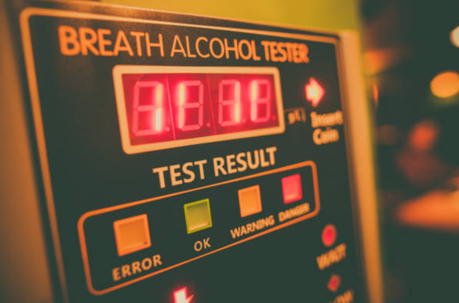
You probably saw your BAC number before you even got home from the station, and it may still be the first thing you look at on your ticket or DMV notice. That number can feel like a verdict in itself, especially if it is just over .08 or higher than you expected based on what you drank. It is easy to assume that if a machine printed it, your case is already decided.
In Colorado, that single breath result carries a lot of weight. It affects whether prosecutors in Denver charge you with DWAI or DUI, whether they push for harsher penalties, and whether the DMV tries to suspend your license. If your result feels off, or it barely crosses a legal line, you are not imagining how much difference a few thousandths can make.
At Orr Law Firm, we have spent more than a decade focused on Colorado DUI and criminal defense work in Denver and surrounding counties, and breath and blood testing issues are part of that focus. We regularly obtain and review breathalyzer records, calibration logs, and maintenance histories to see whether the machines used in our clients’ cases were performing the way Colorado rules require. Once you understand how calibration drift works, it becomes clear that the printed BAC is not always the whole story.
If you've been charged with DUI in Denver, don't assume a breath test result is beyond challenge—contact an experienced DUI defense attorney to determine whether calibration issues could impact your case.
Why Denver Drivers Put So Much Weight On a Single BAC Number
Colorado law builds a lot around blood alcohol concentration. If your BAC is .05 or higher but less than .08, the state can treat you as driving while ability impaired, or DWAI, even if you did not feel drunk. At .08 or above, you are in DUI per se territory, which generally brings stiffer penalties, higher fines, and a stronger push from prosecutors for jail or longer probation. At even higher levels, courts may impose more restrictive conditions and treatment requirements.
Those thresholds mean that a difference of a few hundredths can flip the legal label on your case. A result printed as .079 is a different starting point than .083, even though both represent a small amount of alcohol in your system. Prosecutors and DMV hearing officers in Denver often treat the breathalyzer number as a precise measurement, so that tiny shift can change how they view you, your level of impairment, and the risk you supposedly posed on the road.
Because the system is built around these numerical cutoffs, many people assume the machines that generate BAC results must be almost perfectly accurate. The unspoken message is that if there were a serious problem with the device, the state would not be using it, and your number would never have been printed. Our daily work with Colorado DUI cases tells a more complicated story. Breathalyzers are scientific instruments, but they are also physical devices that age, respond to their environment, and require regular checking and adjustment to stay within the range the law expects.
How Colorado Breathalyzers Are Supposed To Be Calibrated
There are two broad categories of breath tests you may encounter in Colorado. The first is the small roadside handheld device an officer might ask you to blow into during the stop. That is usually a preliminary breath test, which is mainly used to support the officer’s decision to arrest you, not as the primary evidence in court. The second is the larger evidential breathalyzer, often at the station or a central testing location, that produces the official BAC result used for the criminal case and the DMV hearing.
Evidential breathalyzers typically use either an electrochemical fuel cell, an infrared sensor, or a combination of both to measure alcohol in your breath. In simple terms, the device draws in a sample of your breath, exposes it to a sensor that reacts to alcohol, and converts that reaction into an electrical signal. The machine’s internal software then translates that signal into a BAC number that prints on a ticket. For that number to mean anything, the device has to be calibrated so that its response to a known alcohol concentration matches what the machine reports.
Calibration involves more than just turning the device on and trusting it. In Colorado, law enforcement agencies are expected to check evidential breath machines against known standards at defined intervals. A common method uses a simulator solution or dry gas with a precisely known alcohol concentration. The device is run as if it were testing a person, and its reading is compared to the known value. If the machine is in proper calibration, its output should fall within a narrow tolerance around that known concentration. Operators also run shorter accuracy checks between full calibrations to confirm that the device has not drifted too far.
Our firm stays current on the science behind these procedures through ongoing DUI training, because the way calibration is supposed to work on paper often differs from how it is carried out in practice. When we examine a Denver DUI case, we are not just looking at the BAC number itself. We are asking when the device was last checked against a standard, what those results looked like, and whether the entries in the logs line up with Colorado expectations for keeping the machine trustworthy.
What Calibration Drift Looks Like Inside a Denver Breathalyzer
Calibration drift is not usually a dramatic event where a machine suddenly fails and flashes an error message. It is more like a slow slide away from the mark. Over time, the sensors inside a breathalyzer can change how they respond to the same amount of alcohol. Fuel cell sensors, for example, can become less consistent as they age or as they are exposed to contaminants from repeated testing. Infrared components can be influenced by residue buildup or minor shifts in the optical path.
Denver’s environment adds its own stress to these systems. Elevation affects air pressure, which matters when a machine is drawing and measuring breath samples. Rapid temperature changes between cold nights and warm days, as well as low humidity at altitude, can affect internal conditions if the device is not stored and operated in a controlled way. Agencies take steps to address these issues, but the reality is that devices used frequently across the Front Range are operating under conditions that make careful calibration more important, not less.
As sensors age and the device experiences normal wear, its readings can begin to lean consistently a bit high or a bit low relative to the true value. In calibration terms, the machine is still working, but its output may no longer line up exactly with the known standard. If the accepted tolerance range is relatively wide, the device might technically pass its checks while still being off by several hundredths. That is calibration drift, and it can quietly influence every test run on that machine over a period of weeks or months.
To see how that plays out in a real case, imagine a device that, because of drift, tends to read roughly .005 to .01 higher than the true alcohol level. If your actual BAC at the time of the test is around .078, a small upward bias could produce a printed result of .083. On paper, you have crossed from below .08 into DUI per se territory, with all the legal consequences that follow. The same drift can push a borderline DWAI case higher, or make a mid-range result look like a high BAC. When we review calibration and accuracy check logs, we are looking for signs that the device was creeping in one direction and for how long that pattern persisted.
How Calibration & Maintenance Records Can Change a DUI Case
Every evidential breathalyzer used in Colorado generates a paper trail. In addition to the individual test tickets printed for drivers, there are logs showing when the machine was calibrated, what reference standards were used, the readings the device produced during those checks, and any maintenance or repairs performed. There may be separate records documenting when the device was placed out of service and why. These documents are rarely handed to a driver at the time of the test, but they exist, and they can be requested and reviewed.
One of the key questions we ask is timing. We look at how close your test falls to the last documented accuracy check or full calibration. If a device has gone much longer than expected between checks, or if the checks around your test date show readings right at the edge of the allowable tolerance, that is a red flag. We also pay attention to any entries where the machine failed a check, needed adjustment, or was taken out of service shortly after a series of tests, because that can suggest a period when results were less reliable.
Another layer involves pattern recognition. If we see that a device was consistently reading slightly high on its reference solutions leading up to your test, then suddenly passes without any clear corrective action, we will ask why. Sometimes the logs show that an officer or technician adjusted the device. Other times, the record is silent. In either case, this context shapes how heavily your printed BAC should be relied on in court or at the DMV. A number that looks precise when isolated may look much less solid when seen alongside a string of marginal calibration entries.
At Orr Law Firm, reviewing these records is part of a structured case review that also includes police reports, body camera footage when available, and any lab results in blood test cases. We build DUI defenses with trial in mind, which means we treat calibration and maintenance histories as potential sources of cross-examination questions, evidentiary motions, and leverage in negotiations, rather than as background paperwork that rarely matters.
Why Prosecutors Rarely Talk About Calibration Drift
Because the criminal justice system in Denver relies heavily on breath and blood numbers, there is a strong tendency to treat those numbers as fixed points rather than as measurements with margins of error. Prosecutors typically receive a report that lists your BAC result, along with other basic information about the stop and arrest. Unless something has gone obviously wrong, that number is presented to the court as if it were a simple, accurate fact.
Calibration logs and maintenance records usually travel on a different track. They are stored by the agency that owns the machine or by a central unit that oversees testing equipment. Those records are not automatically attached to every DUI file, and they are not routinely placed in front of judges or DMV hearing officers. To get them into the conversation, someone generally has to request them and then be prepared to explain what they show.
Most calibration drift is systemic rather than dramatic. When an agency discovers that a machine has been out of tolerance for a period, it faces the possibility that many cases were affected, not just one. That creates pressure to treat the issue as narrow and manageable whenever possible. It is not usually a matter of a single person choosing to hide evidence. It is more often a function of a system that does not look for trouble unless someone gives it a specific reason.
Our experience appearing in courts across Denver, Adams County, Arapahoe County, Jefferson County, Douglas County, Boulder, and surrounding areas has shown us that breath numbers are rarely questioned until a defense attorney starts asking for the underlying records and pressing on inconsistencies. Once that happens, prosecutors and hearing officers may view the BAC with more caution, but it typically takes that technical push to get there.
What Calibration Drift Could Mean For Your Denver DUI or DWAI
The impact of calibration drift on your case depends heavily on where your BAC falls relative to Colorado’s legal thresholds. In borderline cases, such as results that barely cross .05 or .08, drift and procedural problems can be especially significant. If a machine with a recent history of reading high prints your result at .081, the underlying uncertainty can matter when arguing whether you should be treated as DUI per se or whether the breath number should be given less weight.
Even at higher BAC levels, calibration and maintenance issues can influence how much confidence a judge or jury places in the state’s evidence. A device with a spotty log may still show impairment, but the exact number the prosecutor wants to emphasize could be open to challenge. That can affect how courts view proposed sentences, what treatment level is appropriate, and whether certain aggravating factors are truly supported.
From a defense perspective, calibration problems rarely function as a switch that makes a case disappear. Instead, they become one part of a broader strategy that includes examining the traffic stop, field sobriety tests, the arrest process, and any statements you made. A solid challenge to the breath test’s reliability can support motions to suppress evidence, undercut the strength of the prosecution’s case at trial, or provide leverage for plea negotiations that may reduce charges or penalties.
Because we prepare DUI cases with trial in mind from the start, we look at breath numbers through that lens. We ask how a jury might react to learning about a machine’s history, how a judge might rule on a motion tied to missed accuracy checks, and how a DMV hearing officer might respond to a documented drift pattern. Even if your case ultimately resolves through a plea, building those arguments early can change the options on the table.
Steps To Protect Yourself After a Questionable Breath Test Result
If your BAC result feels wrong or uncomfortably close to a legal cutoff, the first step is to preserve every document you received. That includes the ticket, any express consent form, paperwork from the jail or station, and any printout that shows the breath test result and the date and time it was taken. In some cases, the paperwork may list a device number or location, which can help connect your test to the right calibration and maintenance logs later.
Next, pay attention to your DMV deadline. In many Colorado DUI and certain DWAI situations, you have a short window to request an administrative hearing after receiving notice of a proposed license revocation. That deadline can arrive before your first court date. If calibration or procedural issues exist with your breath test, you generally need to have your hearing set so there is a forum to raise those concerns on the license side while your criminal case moves forward in Denver County Court or another jurisdiction.
This is also the point where the kind of legal help you choose matters. Not every criminal defense practice spends time digging into breathalyzer logs, asking for maintenance records, or tracking how specific devices perform across multiple cases. Our approach at Orr Law Firm includes that technical work as part of a larger, organized process that tracks court settings, motions, and DMV hearings across multiple Colorado counties. Clients often say in public reviews that they value clear explanations and timely updates, which is especially important when discussing something as complex as calibration drift.
We recognize that an arrest usually arrives without warning and that paying for a lawyer is not something most people budget for. We offer payment plans to make it more realistic to secure representation quickly, rather than waiting until after critical DMV deadlines have passed. The sooner we can review your paperwork and request the right records, the better positioned we are to understand how your breath test fits into the bigger picture.
Talk With A Denver DUI Defense Firm That Understands Breathalyzer Calibration
A breathalyzer result can feel like the whole case, but it is really just one piece of evidence produced by a machine that lives in the real world. Calibration drift, maintenance history, and environmental conditions in Denver can all influence whether that number truly reflects your alcohol level at the time of the test. When you see how many assumptions sit behind a single BAC line on your paperwork, it becomes clear why a deeper look matters.
If you are facing a DUI or DWAI charge anywhere in the Denver area and have questions about your breath test result, we can walk through your documents, explain how Colorado calibration rules apply, and map out your options in both criminal court and the DMV process. You do not have to accept the printed number at face value without understanding how it was produced and what can be done with it.