
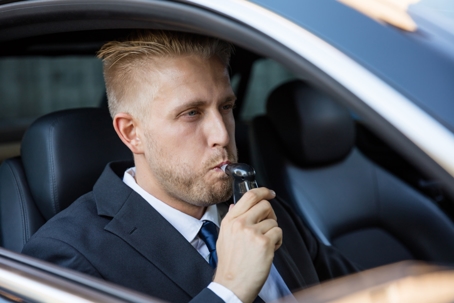
The moment you saw your Colorado DUI ticket listing a high BAC, you probably thought one thing: that number decides everything. If the machine says you were over the limit, it can feel like the case is already lost, no matter how you felt or how little you had to drink. That fear is real, especially when your license, job, and record are all on the line.
Many drivers in Denver and the surrounding counties walk out of a station wondering how the result could be so high. Maybe you used mouthwash before leaving home, took a last quick drink at dinner, or got sick in the back of the patrol car. Maybe you live with acid reflux. Those details can sound minor, but they can create what is known as residual mouth alcohol, which can trick breath testing devices into reporting a BAC that is higher than your actual blood alcohol level.
At Orr Law Firm, we have spent more than a decade focused on Colorado criminal defense with particular attention to DUI cases that involve chemical testing and administrative license hearings. From our Denver office, we regularly review police reports, body camera footage, and test records from Adams, Arapahoe, Boulder, Jefferson, Douglas, Broomfield, and nearby counties to see whether a BAC number really reflects what happened, or whether residual mouth alcohol and skipped steps may have inflated the result.
Why Denver Breath Tests Do Not Always Match Your True BAC
Breath testing devices in Colorado operate under one assumption: the air blown into the machine comes from the lungs’ alveoli and accurately reflects blood alcohol. Residual mouth alcohol breaks this assumption, introducing extra alcohol vapor from the mouth, throat, or upper airway, which can falsely inflate BAC readings.
Common situations that create this problem include:
- Using alcohol-based mouthwash or breath sprays shortly before driving.
- Recent dental work, dentures, or oral appliances trapping liquid.
- Burping, vomiting, or regurgitation can move alcohol from the stomach into the mouth.
- Chronic conditions like GERD or acid reflux causing repeated minor regurgitation.
Even if the breath machine operates correctly, these factors can make a BAC reading appear higher than actual blood levels. Colorado officers and DMV hearing officers often focus on the printed number, but our Denver DUI attorneys know that behind-the-numbers analysis is critical, particularly in cases involving residual mouth alcohol.
How Residual Mouth Alcohol Spikes BAC Readings in Colorado DUI Cases
Residual mouth alcohol influences a BAC reading much like smelling a drink: the closer the alcohol source, the higher the concentration in the air. For example:
- Mouthwash or breath spray: Leaves a thin alcohol film inside the mouth; the breath machine detects this as part of the sample.
- Burping or vomiting: Moves stomach alcohol into the mouth, contaminating the sample.
- Dental work and appliances: Pockets of liquid can slowly release alcohol vapor over time.
Each of these situations prevents the machine from measuring pure deep lung air, and the printed BAC can significantly overstate actual impairment. Our firm routinely reviews cases, noting burping, vomiting, or recent mouthwash use to identify these red flags, assessing whether the test reflects a true BAC or a temporary mouth alcohol spike.
Colorado Breath Test Rules That Should Protect You From Mouth Alcohol
Colorado law requires a pre-test observation period, usually 20 minutes, during which the officer ensures you do not eat, drink, smoke, vomit, or place anything in your mouth that could affect the breath sample. If such events occur, the observation period must restart, allowing residual mouth alcohol in BAC results to dissipate.
Key points about breath test rules:
- Observation period: Officers must watch closely for any mouth alcohol contamination.
- Handheld vs. evidentiary tests: Roadside devices are screening tools; the station-based evidentiary test determines charges, per se allegations, and license revocations.
- Protocol adherence: Any gaps, distractions, or unrecorded events can make a mouth alcohol challenge credible.
Despite these rules, we often see officers multitasking or failing to document vomiting, burping, or mouth alcohol events. Our Denver DUI attorneys review body camera footage and test logs to identify protocol deviations that could affect BAC reliability.
Warning Signs Your Denver BAC May Be Inflated By Mouth Alcohol
Several warning signs may indicate that a BAC reading is artificially high:
- BAC inconsistent with observed impairment: Walking steadily, clear speech, and coordinated movements may not match an extremely high BAC.
- Blood test discrepancies: Later blood draws showing significantly lower alcohol levels than the breath test.
- Timeline factors: Recent mouthwash, last-minute drinks, gum or mints, or minor regurgitation events.
- Officer reports vs. machine reading: Narratives of normal behavior alongside high BAC numbers.
At Orr Law Firm, we systematically compare these elements—officer reports, video evidence, and the driver’s account—to determine whether residual mouth alcohol may have inflated the BAC. This meticulous review allows us to build a strong case for challenging the breath test’s reliability.
How We Use Mouth Alcohol Problems To Challenge DUI Charges and DMV Revocations
Identifying residual mouth alcohol is only the first step. Our approach focuses on using that information strategically in both the criminal case and DMV proceedings:
- Record collection: Police reports, breath machine logs, body and dash camera footage.
- Timeline reconstruction: Examining when the stop occurred, observation period timing, and when the breath sample was taken.
- Discrepancy analysis: Comparing your account of mouthwash use, burping, or reflux to official records.
In DMV hearings, we may challenge license revocations by highlighting observation period failures, inconsistencies, or gaps in procedure. In criminal court, mouth alcohol concerns can influence motions, plea negotiations, and trial strategy. We may also consult forensic experts to analyze whether a BAC spike is consistent with residual mouth alcohol.
By handling both tracks, our Denver DUI attorneys ensure that evidence from one setting supports arguments in the other, potentially changing how prosecutors, judges, and hearing officers view an inflated BAC reading.
Financial Realities Of Challenging A BAC Inflated By Mouth Alcohol
Challenging a BAC due to mouth alcohol requires thorough review and sometimes expert consultation, which can involve additional costs. However, high BAC readings drive some of the harshest Colorado DUI penalties, including:
- Increased mandatory jail exposure
- Restrictions on alternative sentencing options
- Ignition interlock device requirements
- Longer or stricter license revocation
Investing in a detailed mouth alcohol review can sometimes be the most cost-effective way to protect driving privileges, professional licensing, and employment opportunities. At Orr Law Firm, we offer payment plans to help manage the cost while still pursuing a strong defense.
What To Do Now If You Suspect Mouth Alcohol Affected Your Denver BAC
If you think your BAC result does not reflect your actual impairment:
- Create a detailed timeline: Include drinking, meals, mouthwash or breath spray use, gum or mints, and any reflux or vomiting.
- Preserve evidence: Keep receipts, brand information, or witness contacts.
- Act quickly: DMV express consent deadlines are short; timely hearings are essential.
After collecting this information, consult a Denver DUI attorney experienced in chemical test cases. We can review your reports and videos, analyze your BAC result in context, and determine whether a residual mouth alcohol challenge may help in both DMV and criminal proceedings.
Talk With A Denver DUI Defense Team About Your BAC & Mouth Alcohol
A high BAC on a Denver DUI ticket is serious, but it is not always the final word on what was in your bloodstream. Residual mouth alcohol, rushed observation periods, and real-world testing shortcuts can all push a number higher than it should be. When that happens, understanding the science and the Colorado rules behind the test can open up defense options that are not obvious from the printout alone.
If you are worried that mouthwash, dental work, reflux, or a difficult night in the patrol car may have affected your BAC result, you do not have to sort through those questions by yourself. Our team at Orr Law Firm can review your reports, video, and testing records, explain how Colorado law treats those facts, and help you decide on a path forward that takes both legal risks and financial realities into account.
For many drivers, that conversation is the first step toward turning a frightening BAC number into a case that can be managed with a clear plan. Call (303) 747-4247 or reach out online to schedule your free initial consultation.