
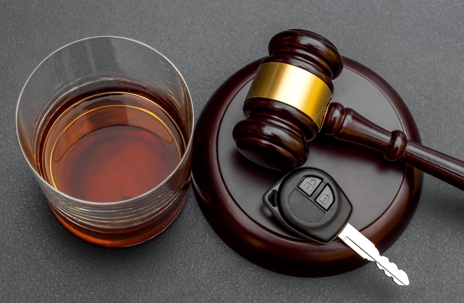
When someone faces arrest for a felony DUI in Denver, families often feel overwhelmed by urgent questions: How much will bail cost? How fast can we get our loved one home? What steps should we take next? The reality of a felony DUI charge brings high stakes and emotional strain, but understanding bail options, local processes, and key legal factors can offer clarity.
As a team deeply committed to guiding clients through these challenging moments, we share practical details and answers to the most common concerns about felony DUI bail in Denver.
What Is a Felony DUI Charge in Denver and How Does It Impact Bail?
A DUI charge becomes a felony in Denver under specific, severe circumstances. Most often, this occurs when a person is charged with a fourth or subsequent DUI, or when the incident results in serious bodily injury or death, sometimes labeled as vehicular assault or vehicular homicide. Courts view these situations as high-risk because they indicate repeated behavior or dangerous outcomes, which directly influences the approach to bail.
The jump from a misdemeanor to a felony DUI means the legal process takes on a new level of seriousness. Penalties can include years of imprisonment, mandatory drivers’ license revocation, and other lifelong consequences. Bail, which offers temporary freedom until trial, is not a guarantee for felony cases and typically involves more restrictive conditions.
Judges must weigh public safety, prior criminal history, and the unique facts of each case before deciding whether bail is appropriate and at what level it will be set. If someone faces a felony DUI due to repeat offenses or injury, families should prepare for a higher bar when seeking release before trial.
How Does Denver Decide Bail Amounts for Felony DUI Cases?
Denver judges set bail for felony DUI cases based on a careful, fact-driven evaluation at a defendant’s advisement hearing. This hearing typically occurs within 48 hours of arrest, and sometimes sooner. The purpose is to determine whether the accused should be released while awaiting trial and on what conditions.
Several factors directly influence bail amounts in these cases, including:
- Previous DUI convictions and recent criminal history
- Severity of the incident (e.g., injury or property damage)
- Community ties and length of residency in Denver
- Employment status and support system
- Likelihood that the accused will reappear in court
- Public safety risk based on the current charge
Each of these factors can either raise or lower the bail amount. For example, someone with stable local employment and strong family backing may see more favorable bail terms than a person with a record of missing court dates or with multiple previous DUIs.
Defense attorneys who present strong evidence—such as letters of support, proof of employment, or substance abuse treatment enrollment—can make a meaningful impact at the hearing. Our firm prioritizes thorough preparation at this stage, ensuring that every positive factor is shared with the court for the most favorable bail outcome possible.
What are the Average Bail Amounts for Felony DUI in Denver?
Bail for felony DUI in Denver reflects the serious nature of the offense and typically ranges from $10,000 up to $100,000, depending on specifics. A fourth or subsequent DUI without injury usually starts on the lower end, while DUI charges involving serious injury or death nearly always prompt higher bail set by the court. Compared to misdemeanor DUI, these figures can be double, triple, or more, creating intense financial pressure for many families.
Court data and local bail schedules indicate that prosecutors routinely request high bail for anyone perceived as a repeat risk, especially in cases of injury. Judges have the discretion to deviate from standard amounts and may do so when significant risk factors or strong community ties are present.
The cost of bail is not the only expense, however. Other required payments may include:
- Mandatory installation of an ignition interlock device
- Alcohol monitoring and frequent testing
- Electronic or GPS ankle monitoring for higher-risk defendants
- Administrative court fees and processing costs
For those unable to pay the full amount immediately, Denver courts permit the use of bail bond agents or surety bonds, which we discuss later in this article. Planning ahead for the possible need to gather funds quickly can make the difference between a swift release and extended time in custody.
What are the Available Bail Bond Options for Felony DUI Charges in Denver?
Denver offers several types of bail bonds for felony DUI charges, giving families flexibility in how they approach the bail process.
The three most common options are cash bonds, surety (bail bond agent) bonds, and property bonds:
- Cash bond: the full bail amount is paid directly to the jail or court. This option ensures that, once all court appearances and obligations are satisfied, the funds are returned (minus any fees or fines).
- Surety bonds: they involve paying a nonrefundable percentage (usually 10% to 15%) to a licensed bail bond agent who then posts bail on the defendant’s behalf. Cosigners are often required, and failure to meet court obligations can put them at risk for the full amount.
- Property bonds: allow for real estate or other assets to be pledged as collateral in place of cash, but this approach is less common in Denver due to its complexity and longer processing times.
For lower-risk felony DUI situations, personal recognizance (PR) bonds may be available, but this is rare and typically requires a strong showing of community stability and no significant risk factors. We help clients compare these options, evaluate associated risks, and connect with reputable local providers if a surety bond is the best fit.
What Happens If You Cannot Afford Felony DUI Bail in Denver?
Bail amounts for felony DUI often exceed what families can pay out of pocket. If immediate payment is impossible, legal counsel can file a motion to reduce bail or request alternative supervised release conditions.
Presenting strong evidence of the defendant’s roots in the community—such as steady employment, family responsibilities, and steps toward rehabilitation—can sometimes sway a judge to approve a lower amount or less restrictive alternative.
Timing is critical: early requests, presented at or before the advisement hearing, yield the best results.
If a reduction is not granted, turning to a reputable Denver bail bond agent can provide access to payment plans or financing. The most ethical agents explain all terms clearly, offer fair rates, and outline responsibilities without hidden fees.
As clients, you should:
- Compare multiple agents for transparency and cost
- Avoid agents who pressure or mislead you about contract terms
- Ask about flexible payment plans to reduce financial stress
In cases of true hardship, local nonprofit organizations may provide emergency grants or support for pretrial release. Occasionally, special circumstances—like severe health issues or caregiving responsibilities—can prompt judges to allow for release on conditions other than cash bail, though this remains uncommon. Staying transparent and keeping your legal team informed of any changes in circumstances improves the odds of finding a workable solution.
What Happens to Bail Money When a Felony DUI Case Ends?
After a felony DUI case reaches its resolution, the fate of the bail depends on compliance with all court-imposed requirements. If the defendant attends all hearings, follows every condition, and there are no violations, the full cash bond is typically returned to the person who paid it—minus administrative or court fees.
If a bail bond agent was used, the agent’s fee is not refunded; this is the cost of the service for providing financial assistance and vouching for the defendant’s appearance.
The refund process can take several weeks, especially if there are pending fines or other financial orders that must be deducted from the total.
To avoid disputes and ensure proper return, families should securely store:
- Original payment receipts and bond agreements
- Final case paperwork showing all court obligations have been met
- Any communication from the court regarding eligibility for refund
If the defendant misses court dates, violates release conditions, or commits a new offense while on bail, the court may order forfeiture of all or part of the bond. This risk makes it essential to remain vigilant, keep the defendant fully compliant, and communicate promptly with your legal team about any questions or concerns as the case progresses.
Financial Planning Tips for Families Facing Felony DUI Bail Costs in Denver
When the reality of high bail becomes clear, families can reduce stress and financial strain by taking organized, proactive action. Start by asking the defense attorney for an honest estimate of likely costs—including not only bail but also related expenses like monitoring devices, storage fees for impounded vehicles, and time away from work. Appoint one family member to handle payments and track every receipt for efficient management.
To pool resources efficiently, consider:
- Utilizing personal savings and loans from friends or family
- Exploring payment plans through trusted Denver bail bond agents
- Setting up a separate account dedicated to bail and legal expenses
- Preparing for additional short-term expenses, like impound fees or transportation needs
Notify employers and other stakeholders of any schedule disruptions as early as possible. Stay alert for deadlines relating to court hearings and monitoring requirements, and ask your attorney about options for adjusting payment plans or negotiating costs if finances become tight. Proactive, informed planning is the best safeguard for your family’s well-being during an already overwhelming situation.
How Can a DUI Defense Attorney in Denver Assist With Bail & Pretrial Release?
Legal defense plays a vital role in minimizing time spent in detention and reducing overall financial loss associated with felony DUI bail. Our attorneys have extensive familiarity with Denver’s courts, presenting detailed evidence at advisement hearings to argue for reduced bail or alternative release options. By preparing and filing the correct motions, assembling documentation of employment and community support, and arranging for character references, we help position clients for the most favorable pretrial outcomes possible.
We also facilitate communication between families and reputable bail bond agents, ensuring that clients fully understand their obligations and court requirements. After release, we keep clients updated about all conditions, hearing dates, and compliance checks, reducing the risk of costly or stressful bail violations. Every step of the way, we focus on clear, steady guidance tailored to each individual’s situation.
Supporting clients spans beyond courtrooms and paperwork—it also means being present, available, and thoughtful as you navigate pretrial hurdles. We approach each bail situation with commitment and diligence, recognizing the urgency and emotional toll that DWI charges create for families.
Our team at Orr Law Firm remains available to provide information, answer urgent questions, and help clients connect with the right resources at every stage of the process. If you or a loved one is navigating the complexities of felony DUI bail in Denver, taking early, informed steps with professional guidance brings a higher degree of confidence and peace of mind.
For clear answers, trusted guidance, and practical help with felony DUI bail in Denver, reach out to Orr Law Firm at (303) 747-4247. Our team is ready to walk with you from the very first step, helping you move forward with clarity and support during a difficult time.